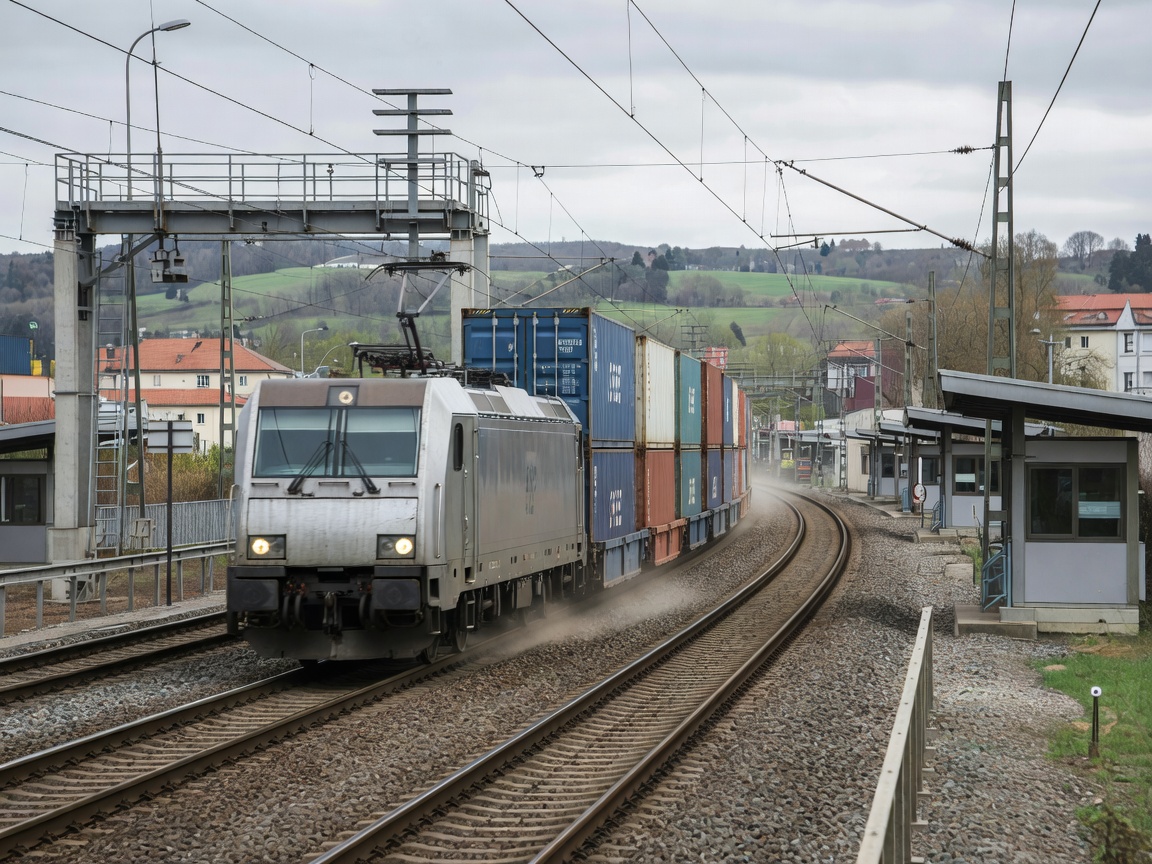
A route is more than distance.
Cross-border route planning connects origin, border process, transit infrastructure, delivery point and operating window. A short route on a map may be unsuitable for the product, mode, carrier pattern or receiving schedule. The planning unit is a corridor with dependencies, not a line between two postcodes.
Start by recording the goods, origins, destinations, required delivery windows and available modes. Road, rail, sea and intermodal options each create different handovers, schedules and handling conditions. Some flows require a direct movement. Others can use consolidation or regional transfer points. The appropriate design depends on volume pattern and service requirement.
Build primary and alternative corridors.
Every primary route should have an understood alternative. That alternative may use a different border crossing, terminal, carrier, mode or intermediate facility. It does not need to be the cheapest path. It needs defined activation conditions and known operational consequences.
Compare route options on transit variability, handovers, infrastructure access, delivery-window fit, carrier availability and information requirements. Include waiting points and loading constraints. A route plan without receiving-time logic is incomplete. A route plan without an escalation owner is only a map.
Documentation and border dependencies.
Border procedures, documentation and permissions vary by country, goods, transport mode and applicable rules. Requirements may also change. Confirm current obligations with appropriately qualified customs, legal, transport and trade advisers before operating a specific movement. This page provides general planning information, not customs or legal advice.
Seasonal and operational constraints.
Weather, holiday traffic, road works, peak periods, terminal congestion and local restrictions can alter route reliability. Do not treat these as exceptions after launch. Add them to the route calendar. Mark periods requiring earlier booking, alternate cut-offs, higher stock cover or customer communication.
Practical comparison.
A direct road route can reduce handovers and simplify accountability. It can also concentrate exposure on one carrier or crossing. An intermodal route can suit regular planned flows and reduce dependency on a single road leg. It can introduce terminal timing and schedule dependencies. A regional consolidation point can improve load formation. It adds handling and a further node to manage.
Route planning checklist.
- Define origin, destination, goods and delivery window.
- Map the primary corridor by actual handover points.
- List country-, goods- and mode-specific dependencies for validation.
- Identify a practical alternative corridor.
- Set exception triggers and communication ownership.
- Review route design when demand, mode or border conditions change.
Use current carrier, terminal and regulatory inputs when converting a route design into an operating instruction. No corridor should be treated as permanently fixed.